How Bats Navigate the Night
Category: Mammals | June 7, 2025
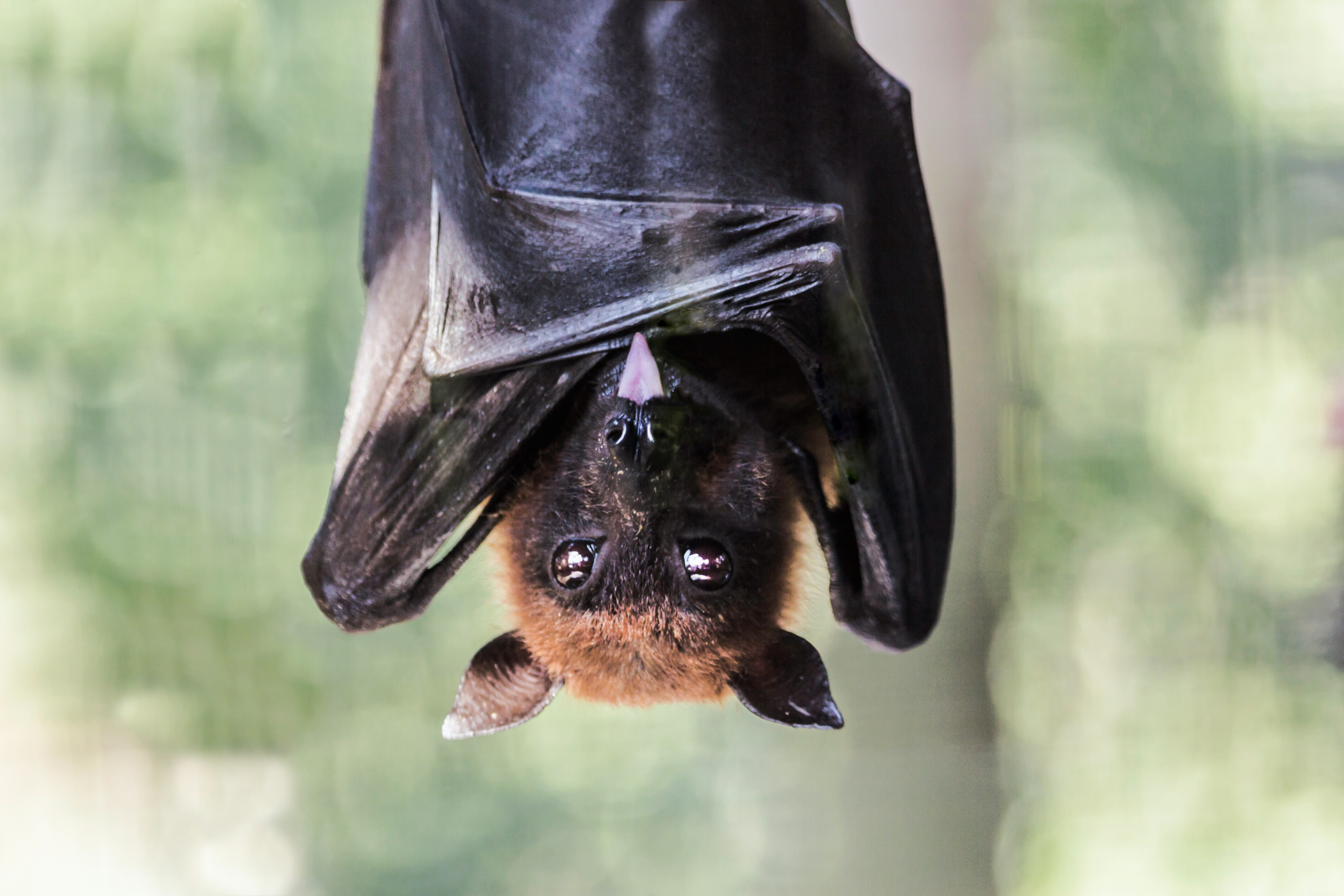
As twilight deepens and shadows blur the world’s edges, bats emerge as silent hunters gliding through the night with ease. Their secret isn’t magical but rooted in biological skill: echolocation. Unlike most animals, bats don’t depend on sight to navigate or hunt in the dark. Instead, they emit high-frequency sounds, often beyond human hearing, and listen carefully for the echoes that return from nearby objects. By analyzing the delay, direction, and strength of these sounds, bats create a real-time map of their surroundings, effectively seeing with their ears.
This skill is so refined that a bat can spot a tiny mosquito mid-flight or weave through dense forests at high speed. Some species can even tell different types of surfaces apart or identify specific prey based on the shape of the echo. The process occurs incredibly quickly, allowing bats to change their flight path instantly, avoiding obstacles and locking onto targets with great precision.
However, echolocation isn't a uniform system. Different bat species have developed unique calls and frequencies suited to their habitats. Bats living in forests use lower, broader calls that bounce off thick vegetation, while those hunting in open spaces prefer narrow, high-pitched sounds ideal for long-distance detection. Some bats can even modify their calls while in flight to sharpen their focus or avoid overlapping signals from nearby bats.
Although sight isn’t their main sense, many bats can see quite well, especially in low light. Their vision supports echolocation, helping them navigate open areas or spot predators. Yet, it’s their ability to “see” with sound that distinguishes them in the animal kingdom, making them masters of the night sky.
Bats’ ability to navigate at night is more than just impressive; it highlights nature’s creativity and adaptability. In a world where light fades and silence prevails, bats have developed their own form of sight, one pulse at a time.
🌴 Jungle Chatter
Most popular reactions:
No reactions yet.