Songbirds: Nature’s Original Musicians
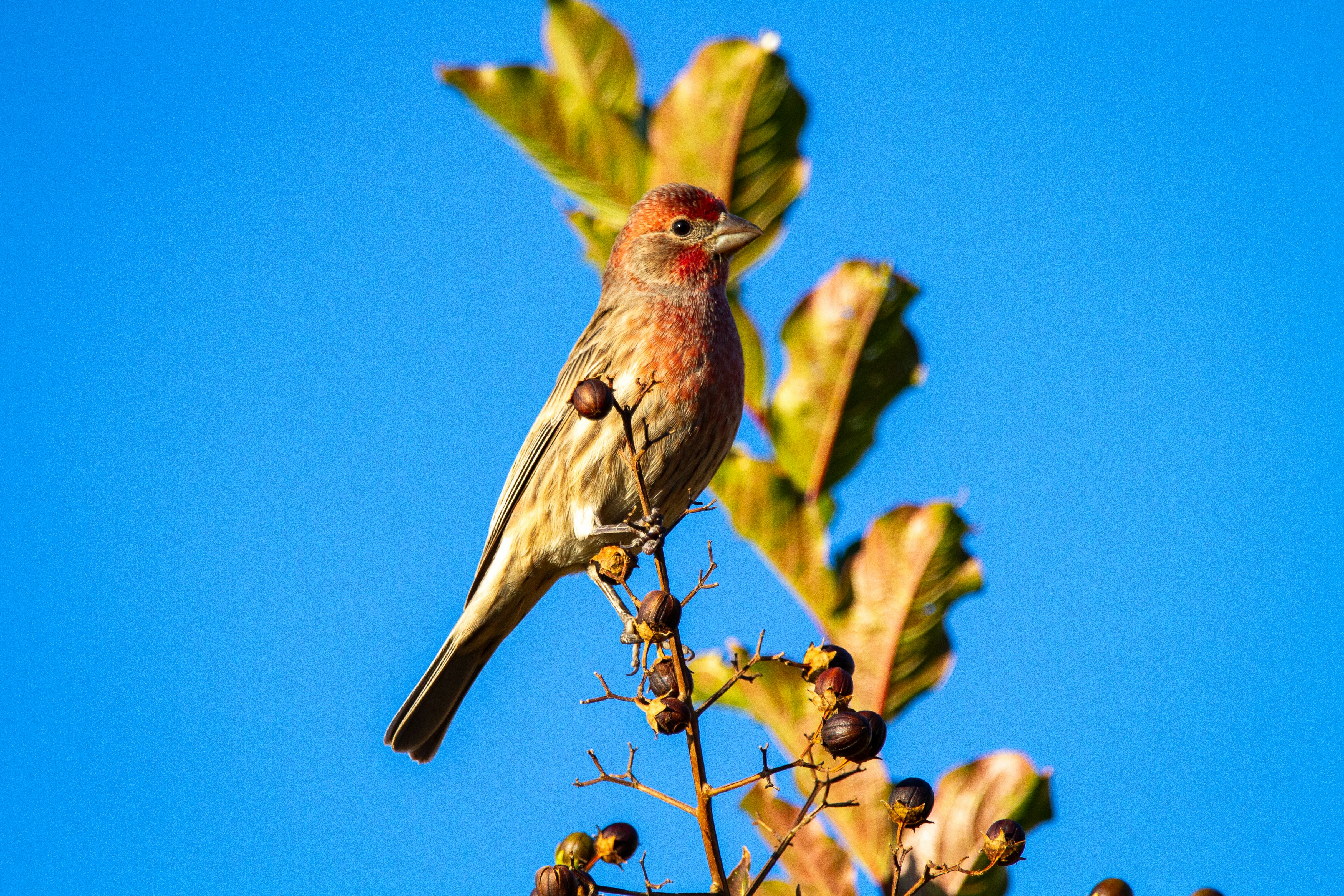
Category: Birds | June 7, 2025
The beautiful melodies of songbirds have inspired poets, musicians, and nature lovers for centuries. But beyond their beauty, these songs serve important biological purposes, with each note carrying a message about survival, territory, and love. Unlike simple calls used for alarms or navigation, true bird song is complex, learned, and often specific to each species. Typically, males perform these intricate vocalizations, especially during the breeding season. They serve two main functions: attracting mates and deterring rivals.
Each species has its own song "language," and some birds even develop regional dialects. Young songbirds don’t hatch knowing their tune; they learn it by listening to adult males around them, much like how human children learn to speak. This ability to learn and reproduce sounds is quite rare in the animal kingdom and indicates a high level of brain development. Some species, like mockingbirds and lyrebirds, take this further by imitating the songs of other birds and environmental sounds, creating their own unique mixes.
Singing also reflects a bird’s health and fitness. A strong, complex, and consistent song suggests good genes and physical condition, making the singer more appealing to potential mates. However, this comes with risks—loud singing can attract predators. So when a songbird sings at dawn, it is making a calculated choice: the chance of reproduction outweighs the risk of danger.
Moreover, the impact of bird song on humans is significant. Studies show that natural bird song can reduce stress, lift mood, and improve focus, making it a healing presence in both wild and urban settings. Songbirds are more than just background music in the forest; they are nature’s original musicians, performing ancient tunes that shape ecosystems, behaviors, and even human well-being.
🌴 Jungle Chatter
Most popular reactions:
No reactions yet.