The Social Structure of Wolf Packs
Category: Mammals | June 7, 2025
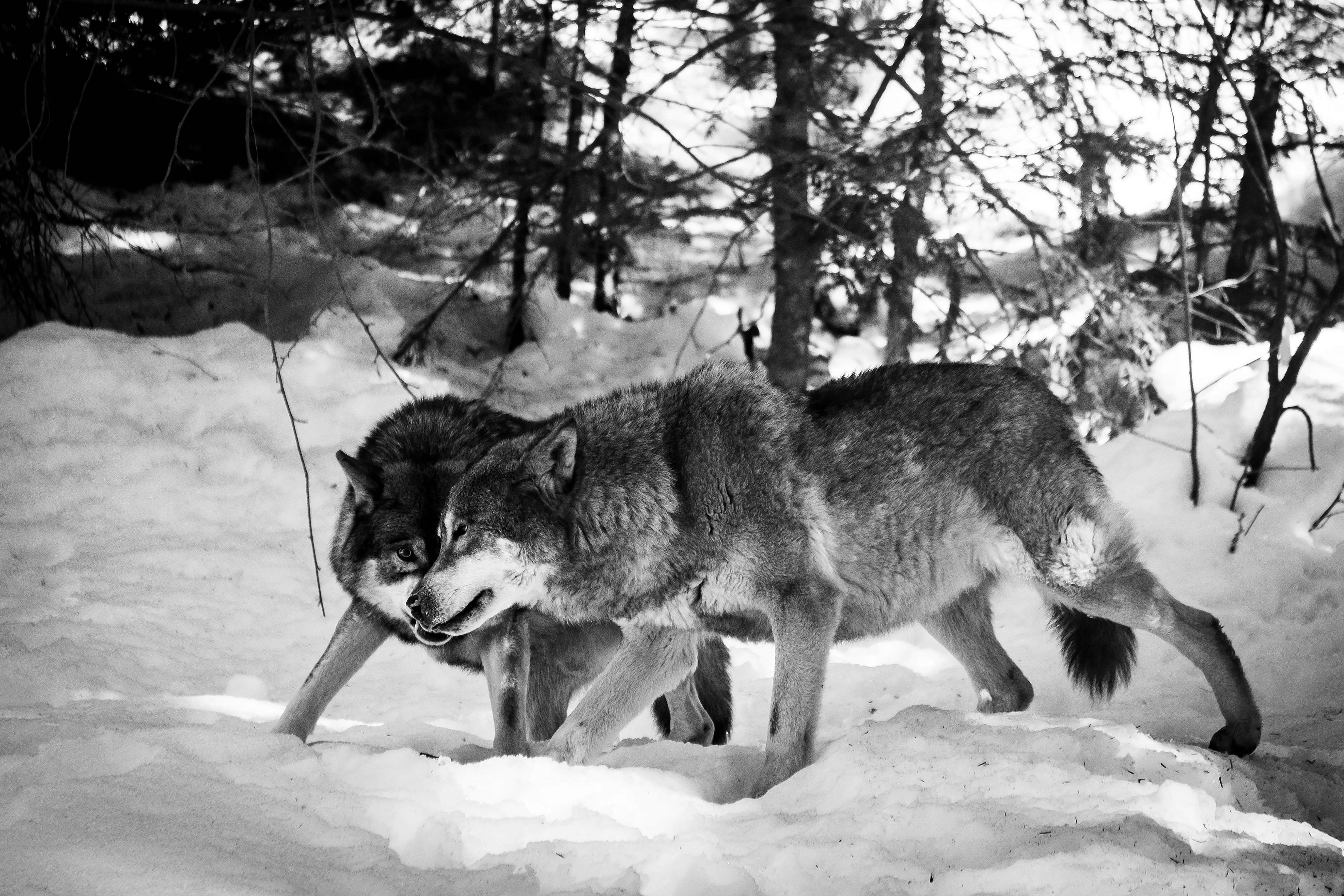
Wolves have long fascinated humans as symbols of wilderness, strength, and cleverness. However, beneath their fierce image lies a creature that is closely tied to its family. Wolf packs are not random groups of animals. They are complex social units built on trust, communication, and defined roles. Understanding how a wolf pack is structured reveals not only how they hunt but also how they live, raise their young, and survive in often harsh environments.
At the center of every pack is a breeding pair. These were once called the “alpha” male and female, but modern science prefers the terms “breeding pair” or simply “parents,” recognizing the pack as a family. This pair leads the group and is usually the only ones that reproduce, but their leadership comes more from experience, stability, and their ability to guide and protect the pack than from dominance.
Pack sizes can vary, but they usually include five to ten individuals: the breeding pair, their current offspring, and sometimes older siblings from previous litters. These older pups play important roles in caring for the young, defending territory, and helping with hunts. In this way, wolf packs function as cooperative units, where every member contributes to the group's success.
Communication is vital for the pack's unity. Wolves use a mix of vocal sounds—howls, barks, whines, and growls—as well as body language and scent marking to express feelings ranging from joy and affection to warnings and submission. A howl can rally the pack or scare rivals away, while a simple tail position can show confidence or respect.
Hunting is a team effort. Wolves often collaborate to chase large prey like deer, elk, or bison. Success relies on their ability to strategize and support one another. Some wolves drive the prey, while others flank or block escape routes. After a kill, food is shared among the group, with pups and nursing mothers typically eating first.
Contrary to popular belief, aggression within packs is uncommon. Most conflicts are settled through subtle signals, which helps avoid violence. The aim of the hierarchy is not to intimidate but to keep the peace and ensure the group operates smoothly.
Wolves share a deep loyalty to one another. They mourn lost pack members, protect the injured, and remain close even during severe winters or food shortages. Pups are valued, taught, and defended with fierce commitment. The pack serves as a safe haven—created not solely through dominance but also through strong social bonds and a shared purpose.
Watching a wolf pack is witnessing family in its purest, wildest form. It is a reminder that survival in nature often depends not on individual strength but on the unity of the group.
🌴 Jungle Chatter
Most popular reactions:
No reactions yet.