Black Rhinos on the Brink
Category: Endangered Species | June 17, 2025
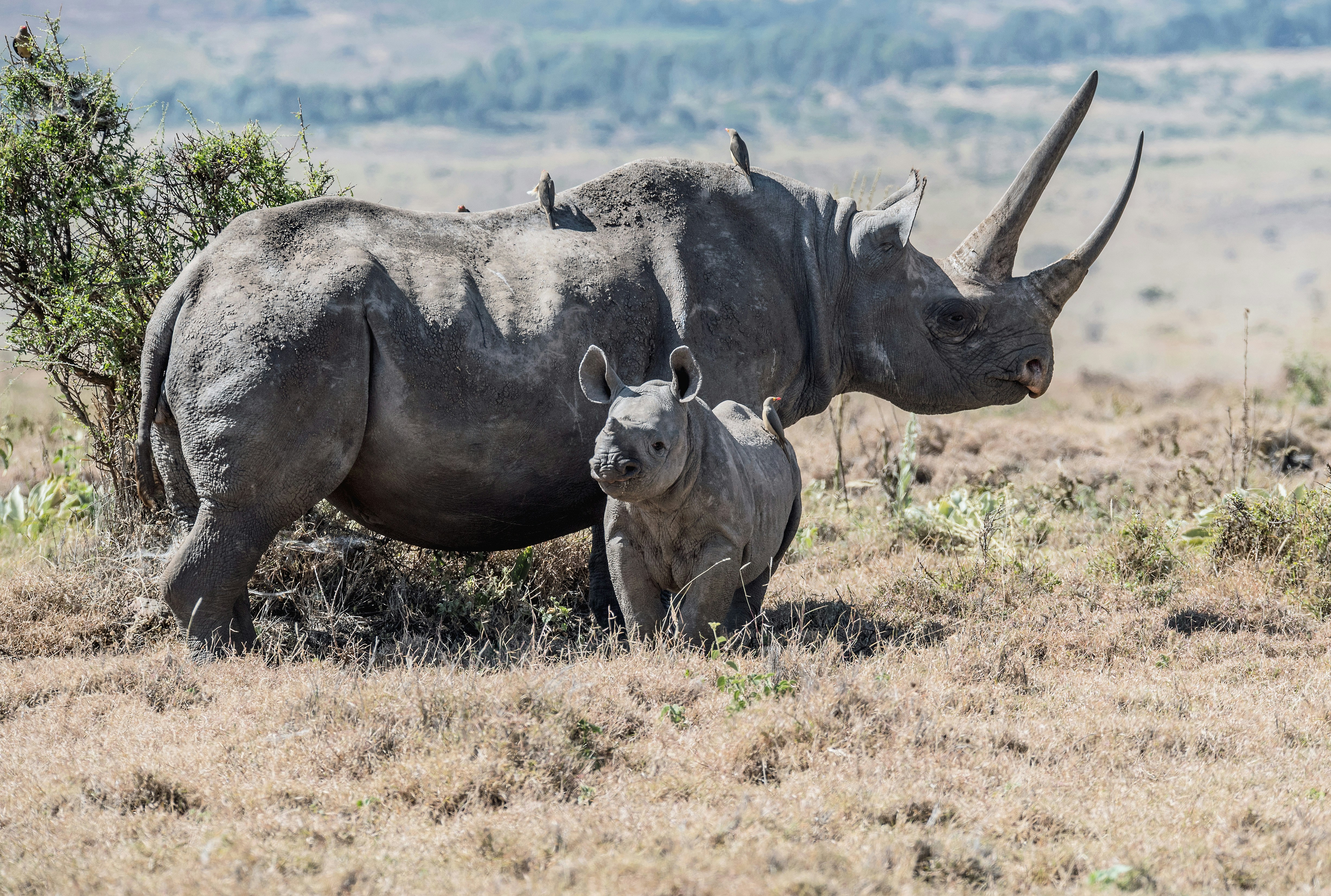
The black rhinoceros (Diceros bicornis) is one of Africa’s most iconic animals, but it faces a serious future. Once widespread across southern and eastern Africa, black rhino numbers have dropped by over 95% in the last century. Today, fewer than 5,500 individuals remain, putting the species in the "critically endangered" category.
The main threat to black rhinos is poaching. This is driven by the demand for rhino horn in illegal wildlife markets, especially in parts of Asia. Rhino horns are made of keratin, the same protein found in human hair and nails. Many people mistakenly believe they have medicinal properties or serve as status symbols. Despite international bans and strict enforcement, the illegal trade continues to threaten rhino populations.
Habitat loss is another major issue. As human populations grow, rhinos lose their grazing land and migratory routes. Agriculture, mining, and infrastructure projects break up their habitats, isolating populations and making breeding harder.
Unlike white rhinos, black rhinos are solitary and more aggressive. They have distinct hooked upper lips, which they use to eat shrubs and small trees. Their behavior and diet are vital for maintaining the ecological balance of savannah and bushland ecosystems.
Conservationists are working hard to save them. Anti-poaching patrols, dehorning methods, translocation projects, and community engagement programs have all helped slow the decline. Organizations are also trying to increase rhino populations through carefully monitored breeding programs and protected reserves.
However, challenges remain. Rhinos need large territories, safe habitats, and long-term political support. Poaching groups are sophisticated and often stay ahead of enforcement efforts. Additionally, climate change introduces new risks by altering water and food availability in their natural ranges.
The story of the black rhino serves as both a warning and a call to action. While their numbers are critically low, successful efforts in countries like Namibia and Kenya show that recovery is possible with the right resources and determination. Saving the black rhino is not just about protecting a species; it’s about defending biodiversity, ecological health, and our role as stewards of the planet.
🌴 Jungle Chatter
Most popular reactions:
No reactions yet.