Katydids: Night Singers of the Tropics
Category: Insects | June 16, 2025
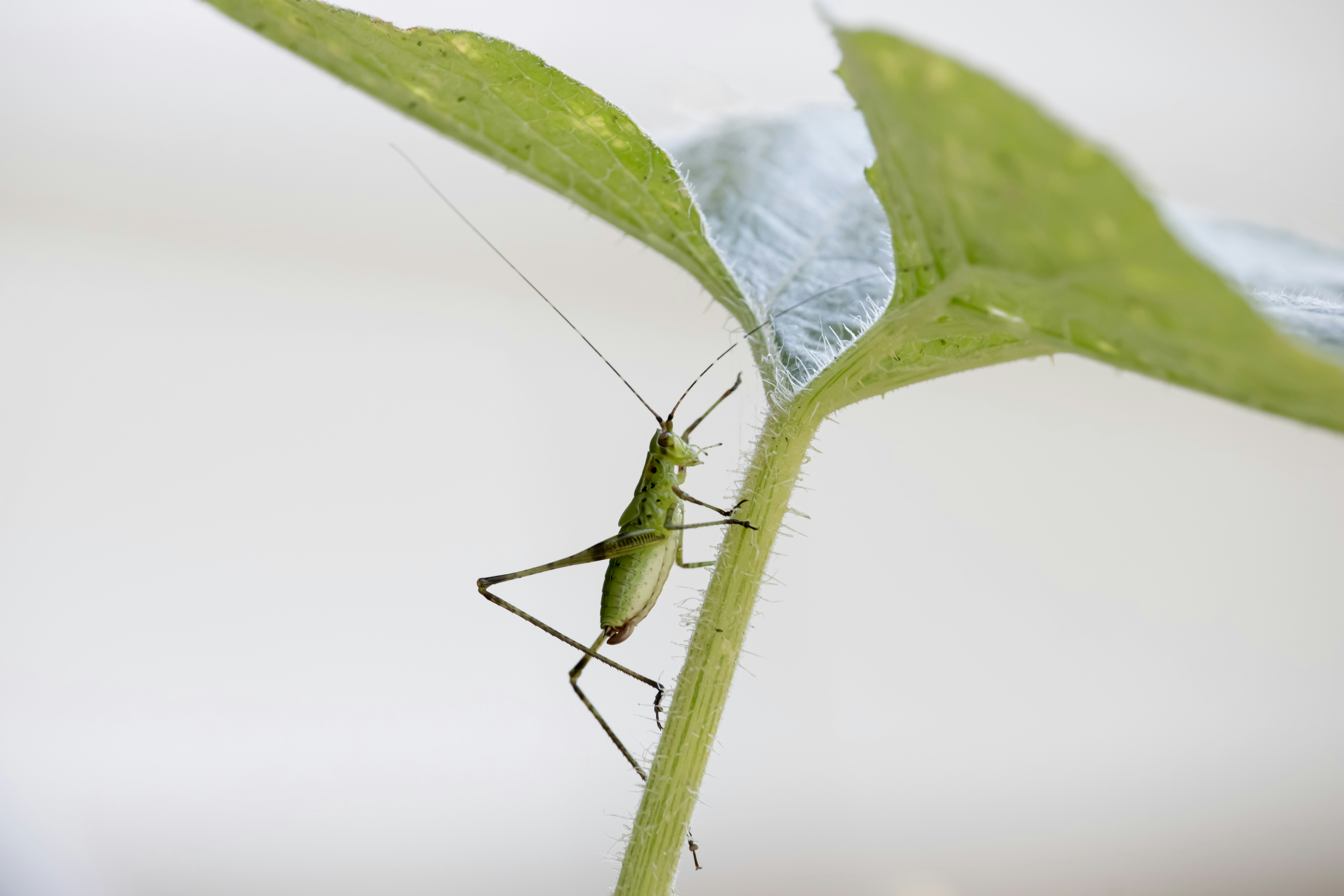
Hidden among the lush foliage of tropical forests, katydids excel at disguise and sound. These long-legged, leaf-like insects can be difficult to find, but their rhythmic songs at night create a distinct part of the jungle's soundscape.
**Masters of Camouflage**
Katydids are famous for their mimicry. Their wings often look so much like leaves that they replicate veins, spots, and even signs of decay. This impressive camouflage helps them avoid predators such as birds, bats, and reptiles while they rest during the day.
**The Tropical Soundtrack**
At night, katydids become active with sound. Males create unique mating calls by rubbing their forewings together. This process is called stridulation. Each species has its own specific call, which helps females find potential mates in the thick undergrowth. These chirping sounds are most noticeable during warm nights and can often be heard from long distances.
**Diverse and Widespread**
There are over 6,000 species of katydids around the world, with the highest diversity found in tropical rainforests. Some species are large and bright green, while others can be pink, brown, or even mossy, depending on their surroundings.
**Diet and Behavior**
Most katydids eat plants, such as leaves, flowers, and fruit. However, some species are omnivorous or even predatory, consuming smaller insects and larvae. Their long antennae, often longer than their bodies, help them navigate in low light.
**Indicators of Forest Health**
Because they are sensitive to habitat changes and depend on specific plants, katydids are important bioindicators. A healthy population of katydids usually means a thriving, undisturbed ecosystem.
**Living in the Shadows**
Even though they are part of the tropical chorus, katydids are often overlooked because of their shy, nocturnal behavior. They represent the quiet complexity of rainforest life, blending concealment with expression and highlighting the richness of biodiversity.
Next time you're in the tropics and hear a rhythmic buzz or chirp from the trees, listen closely. A katydid might be singing just above your head, perfectly hidden among the leaves.
🌴 Jungle Chatter
Most popular reactions:
No reactions yet.