Walking Sticks: Masters of Disguise
Category: Insects | June 16, 2025
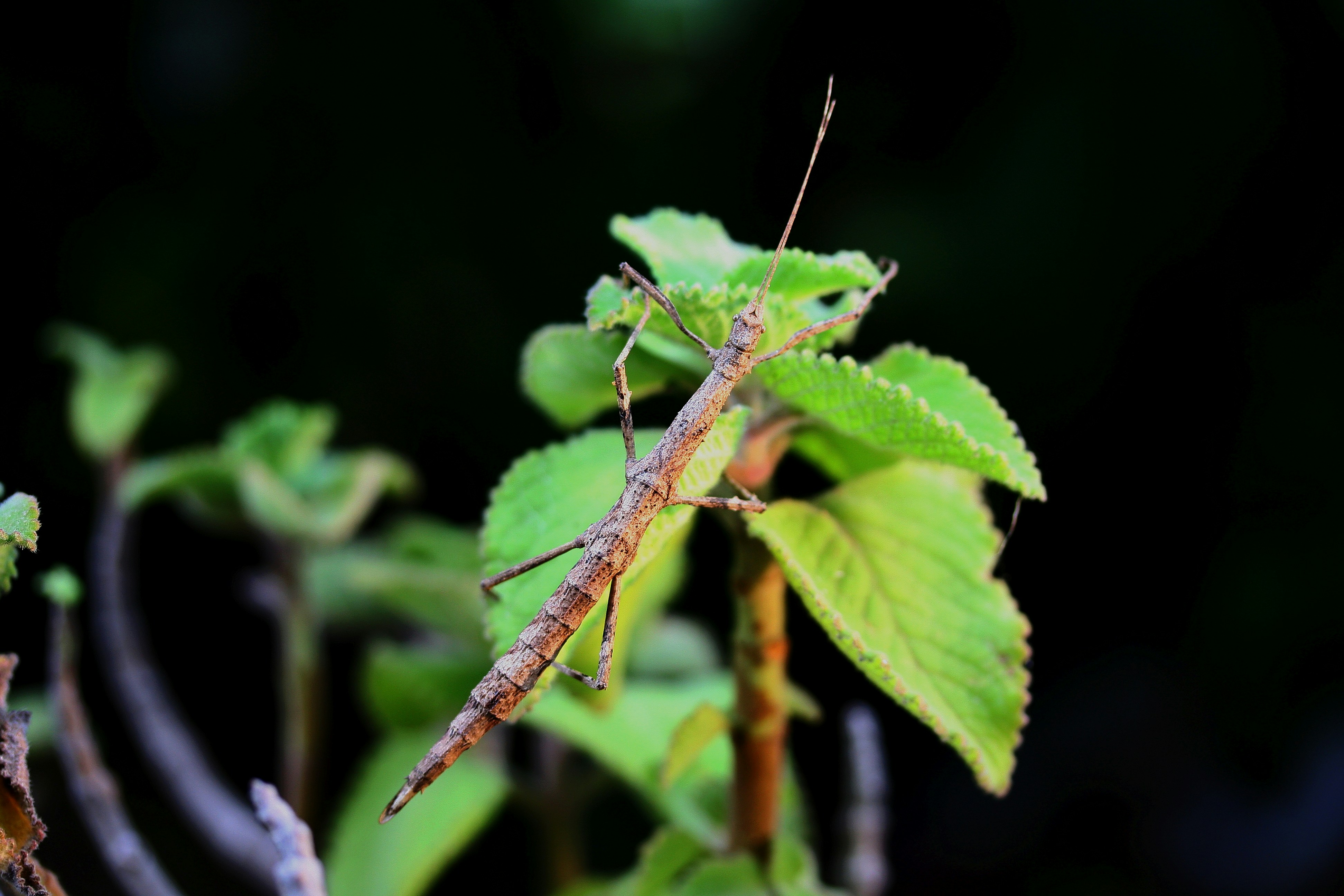
To the untrained eye, they may look like twigs or tiny branches swaying in the breeze, but don’t be fooled. These are walking sticks, masters of camouflage and deception in the insect world. With their long, slender bodies and subtle movements, they have evolved to become some of nature’s most convincing tricksters.
**Living Camouflage**
Walking sticks, also known as stick insects or phasmids, mimic the appearance of sticks, stems, and leaves with amazing accuracy. Their bodies are elongated, often brown or green, and they sway gently when moving to enhance the illusion of being blown by the wind.
**Avoiding Detection**
This disguise isn’t just clever; it’s essential for survival. Predators like birds and reptiles often overlook walking sticks completely. They cannot tell them apart from the surrounding foliage. Some species even stay completely still during the day, becoming nearly invisible among twigs and leaves.
**Nighttime Activity**
Most walking sticks are nocturnal, which further helps their camouflage. Under cover of darkness, they feed on leaves and move around their environment with minimal risk of being seen.
**Defense Beyond Camouflage**
If discovered, some walking sticks have backup defenses:
- **Startle displays**: Brightly colored wings that open to surprise predators.
- **Chemical sprays**: Certain species can release foul-smelling substances.
- **Limb loss**: Like lizards, they can shed a limb to escape, sometimes growing it back later.
**Masters of Parthenogenesis**
Some walking stick species can reproduce through parthenogenesis. Females lay unfertilized eggs that hatch into clones of themselves. In the absence of males, this allows populations to thrive and expand quickly.
**Diverse and Widespread**
There are over 3,000 known species of walking sticks found all over the world, especially in tropical and subtropical regions. From tiny twig mimics just a few centimeters long to giants over a foot in length, their variety is as stunning as their camouflage.
**Invisible Giants of the Forest**
Walking sticks may not fly, buzz, or sting, but their survival strategy is a masterclass in evolutionary adaptation. By blending in with the forest, these insects avoid danger, confuse predators, and remain one of nature’s most remarkable examples of deception.
🌴 Jungle Chatter
Most popular reactions:
No reactions yet.