Why Beavers Are Nature's Engineers
Category: Mammals | June 17, 2025
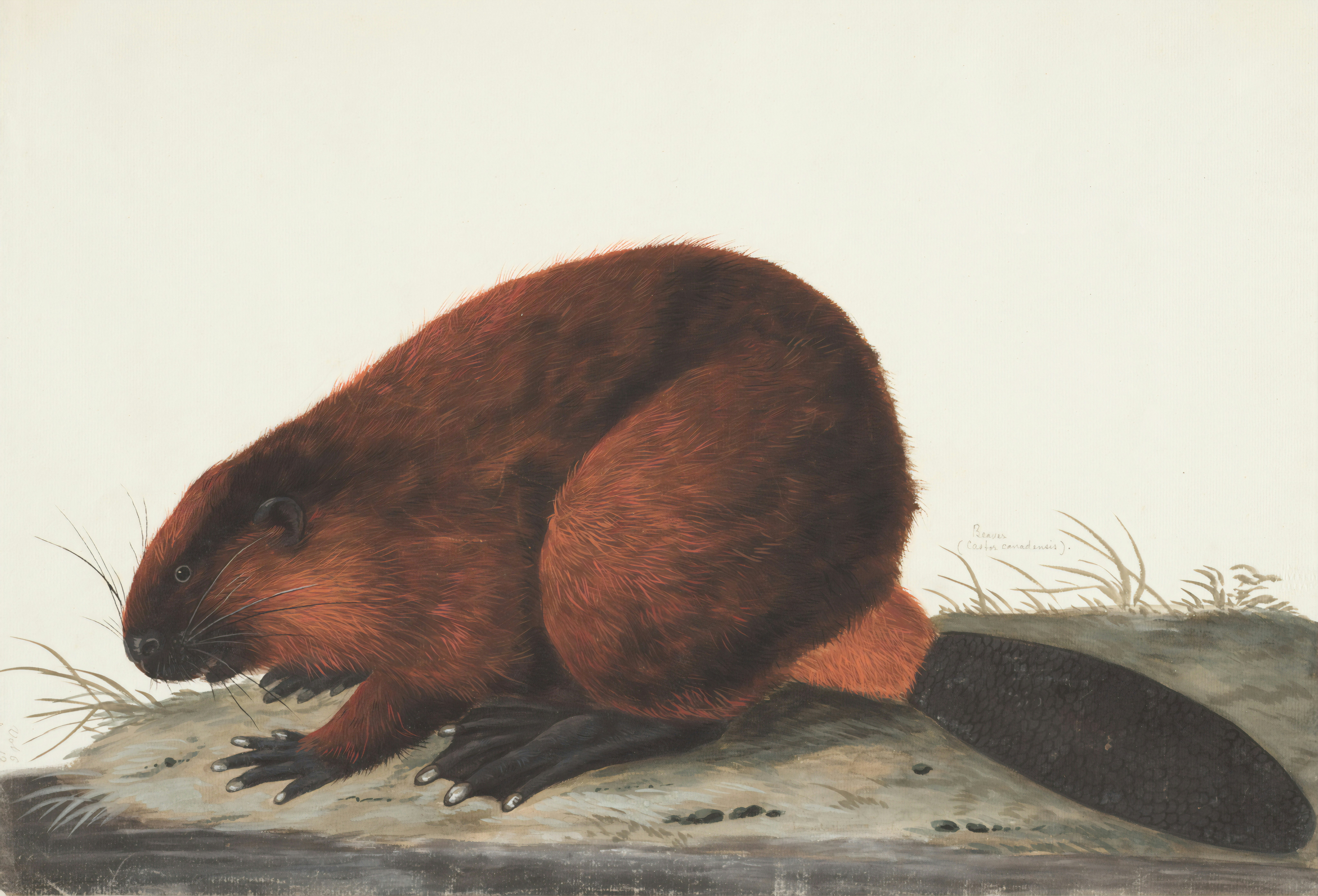
Few animals affect the landscape as much as the beaver. Known for their distinctive dams and lodges, these hardworking rodents are often called nature’s engineers for good reason. Their ability to change waterways, create wetlands, and build complex structures rivals the work of human civil engineers.
At the core of the beaver’s engineering skills is their instinctual need to control water flow. Beavers build dams from sticks, mud, and rocks to slow down streams and form ponds. These ponds offer safe homes for their lodges and protect them from predators like wolves and bears. The lodge itself is impressive. It has a dome shape, underwater entrances, elevated sleeping areas, and great insulation against the cold of winter.
However, beaver dams benefit more than just beavers. Their structures create wetland ecosystems that support frogs, fish, birds, insects, and even large mammals. Slowing the water helps reduce erosion, recharge groundwater, and filter pollutants. In fact, areas with active beaver populations often experience increased biodiversity and better overall ecological health.
Their engineering abilities come from instinct, but beavers also learn through trial and error. They can hear running water and will plug leaks, even when the sound comes from a hidden speaker playing a trickling noise.
Historically, beavers were nearly hunted to extinction for their fur, but modern conservation efforts have led to reintroduction programs. These aim to use their dam-building abilities to restore wetlands, fight drought, and prevent flooding.
In an age when climate resilience is more important than ever, beavers show us that some of the best engineers of environmental balance don’t wear hard hats. Instead, they chew wood and build with mud.
🌴 Jungle Chatter
Most popular reactions:
No reactions yet.